


For UK online gaming fans, building a broad portfolio is a frequent goal. It’s about mixing genres, mechanics, and risk levels. Crash games have carved out their own space in this scene, delivering a distinct kind of suspense. The zeppelin crash game multiplayer, found at zeppelincrash.net, is a specialised title built to slot into a wider collection of games. It isn’t meant to be played in isolation. Instead, it acts as a deliberate piece of a player’s overall gaming activity. This examination of the Zeppelin Crash Game considers it from the viewpoint of a collector or strategic player. We’ll analyze its mechanics, its theme, and the precise job it can do in finishing off a UK gamer’s lineup. The goal is to assess its qualities as a product in a busy market, and its ability to provide a distinct form of engagement next to other gaming staples.
Comparative Position to Other Crash Games
The UK scene has several crash-style games, many connected to cryptocurrency or dressed in very simple graphics. Zeppelin Crash sets itself apart mainly through its committed theme. Where other crash games can seem like financial tools, Zeppelin Crash adopts an adventurous story. This targets it at players who seek atmosphere as well as mechanics. Looking at its features shows a focus on the experience itself:
- Conceptual Immersion: The zeppelin idea is core to the game, not just a skin.
- Pace: The speed of the climb and the timing of rounds are tuned for suspense.
- On-screen Feedback: The graphics displaying the ascent and crash are built to amplify the tension.
This comparison demonstrates it fills a niche. It’s for players who prefer a more stylised, less financially sterile crash game, covering a specific gap in what the genre usually offers.
Adding Zeppelin Crash within a UK Gaming Portfolio
A well-rounded gaming portfolio doesn’t lean too hard on one type of play. For an individual in the UK, this combination could include skill-based esports, strategic card games, long narrative RPGs, and quick casual titles. Zeppelin Crash slots easily into that latter category, but with a key difference. Its risk-reward structure is sharper than your average casual game. It acts as a counterweight to titles that require long investment or team play. Adding it to your roster provides you a palate cleanser, a pure dose of short-burst excitement you can play on its own. In a portfolio, its purpose is that of a specialist volatility tool. It delivers a unique kind of adrenaline surge compared to the tactical win of a strategy game or the story reward of an adventure. This kind of variety maintains things fresh by fitting different vibes and spare times.
Mindful Play Considerations for UK Players
A candid look at a game involving money needs to address playing responsibly. In the UK, with its robust regulations, players are encouraged to engage mindfully. The fast pace and high tension of crash games can be particularly absorbing. It’s vital to see them as paid entertainment, not an income source. For the portfolio gamer, this means designating a strict portion of their gaming budget to these volatile titles. It’s akin to allotting time to different genres. Key practices include establishing deposit limits, using time-out tools, and treating any wins as bonus fun money. Adding Zeppelin Crash to your habits in a responsible way guarantees it stays a enduring, enjoyable part of a wider hobby. It keeps the game from upsetting the balance of your collection.
Assessing Risk Management and Strategic Play
While the crash point is arbitrary, strategy in Zeppelin Crash hinges on money management and mental discipline. Savvy players may employ systems, though no system defeats a random number generator. Standard strategic approaches encompass:
- The Fixed Multiplier Cash-Out: Cashing out every time at a set multiplier, like 2x, to secure small, regular wins.
- The Progressive Staking Plan: Changing your bet size based on past results, a method that can lead to fast losses.
- The Partial Cash-Out: Cashing out part of your potential win at different points to secure some profit while letting a smaller amount continue.
The game challenges a player to stick to their chosen plan as the multiplier climbs. Greed can erase potential gains in an instant. For the portfolio-focused gamer, getting a handle on this psychological battle develops a skill that carries over to other risk-assessment moments in gaming.
Technical Performance and Platform Accessibility
A game’s place in a lineup depends on how reliably and conveniently you can access it. The Zeppelin Crash Game is browser-based, probably using HTML5. It has to run smoothly on any device. For UK players, that means consistent performance on desktop, tablet, and mobile, with no lag. A delay of even a tiny part of a second can ruin a cash-out decision. The system stability, the rapidity of each round, and the clearness of the interface all count a great deal. A well-optimised game lets the experience be about player choice, not technical issues. Also, easy access through a web browser, with no downloads, suits its function as a ready-to-play option in a group that might contain big downloaded software. This convenient access turns it into a handy pick for a fast game.
Group and Collective Elements of Play
Many online games derive their staying power from community. Crash games are individual at the moment of cashing out, but they often incorporate social elements. Players can see the bets others have placed and observe collective results. This fosters a shared sense of anticipation. For a UK player including this game to their portfolio, these social layers introduce something lacking from purely solo titles. Watching the strategies and luck of others can guide your own approach, creating a casual learning space. Plus, the shared tension of seeing a multiplier rise with a group creates a sense of event, even without direct competition. This positions it a more socially connected option than, say, a solo puzzle game. It adds another type of social interaction to the mix across your gaming portfolio.
Grasping the Crash Game Type Mechanics
A crash game works on a strikingly simple, yet tense, concept. A multiplier initiates at 1x and commences to climb from zero. Players place their bet before the round starts. As the multiplier climbs, the potential win grows. The objective is to hit the cash-out button before the multiplier randomly “crashes.” Success indicates you get your stake multiplied by the number you cashed out at. If the crash happens first, you sacrifice your bet. This setup generates a high-pressure environment where managing risk is everything. Unlike pure chance games or those demanding deep knowledge, crash games challenge a player’s nerve and sense of judgment. The Zeppelin Crash Game utilizes this core loop but presents it in a unique style. This differentiates it from the generic or crypto-themed crash titles you often see on the internet. Its layout fits quick plays, ideal for those short pauses in a gaming plan.
The Airship Concept and Atmospheric Design
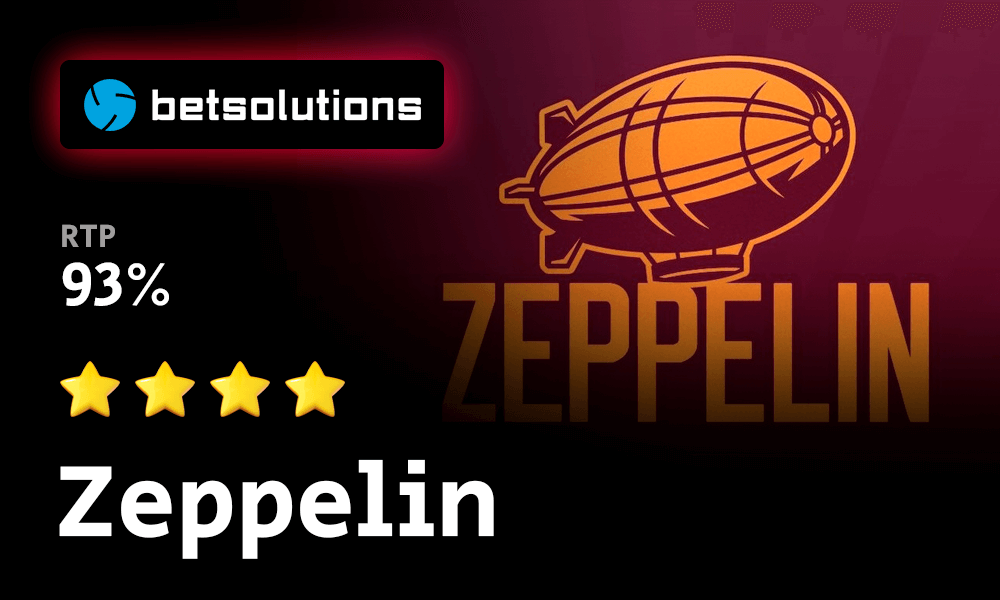
The game evokes zeppelins, those grand airships from a past age. This provides a strong thematic base. The imagery builds an atmosphere of daring rise and threatening peril. Visuals probably evoke the grandeur and complex structure of these vessels, with the rising multiplier functioning as a metaphor for the airship’s ascent. The certain descent reflects the traditional delicacy of such craft. This theme goes beyond wallpaper. It shapes the entire experience, providing a narrative hook that distinguishes the game from abstract number climbers. For UK players who prefer historical or retro-futuristic styles, this layer boosts attraction. It transforms a basic betting round into a mini-drama of risk and reward. This fits well with a preference for games that have a strong, engaging character within a portfolio.
The Final Word on Portfolio Completion
The Zeppelin Crash Game presents a convincing argument for a position in a broad UK gaming portfolio. Its distinctive take on the crash genre offers a defined kind of engagement, built on short sessions, mental pressure, and a strong atmospheric identity. It operates well as a contrast to longer, story-heavy, or skill-intensive games. If you handle it with a solid risk strategy and a commitment to safe play, it fills a particular niche. It packages the thrill of risk-assessment in a way different genres fail to. So, for a player looking to finish their collection with a title that focuses in pure, adrenaline-driven decision-making, Zeppelin Crash is a considered and sensible addition.